How Mass Containers Can Boost Performance in Your Packaging Procedures
Mass containers play a necessary role in enhancing packaging operations. Their design enables much better use vertical room and promotes organized stock administration. This effectiveness results in lowered material replenishment frequency and lower labor expenses. Additionally, the durability of these containers decreases product damage. As businesses seek means to improve their procedures, understanding the complex advantages of bulk containers comes to be vital. What other benefits might they give the table?
Streamlined Storage Solutions
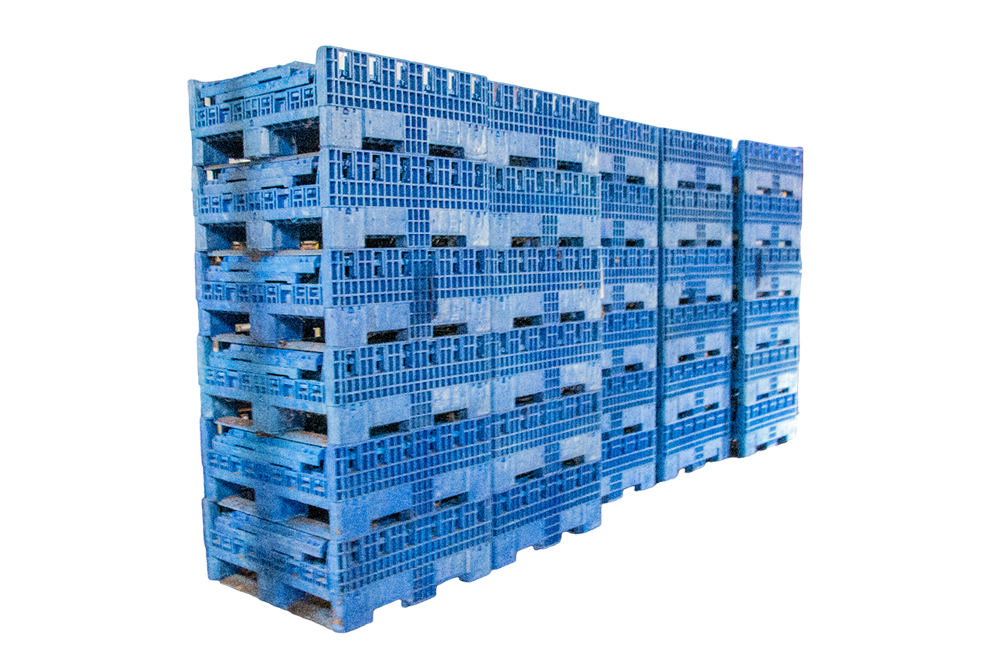
As business look for to enhance their operations, structured storage space services have become crucial for enhancing packaging efficiency. Efficient storage not only conserves space yet likewise promotes quicker access to products, which is essential in busy production environments. Bulk containers, developed for simple stacking and organization, greatly lower the intricacy of storage space systems. They permit organizations to make best use of upright area while reducing the footprint required for supply.
Additionally, these containers typically feature ergonomic designs that streamline handling and transportation, decreasing the threat of injury and boosting operations. By combining materials in mass containers, firms can lower the regularity of restocking and simplify their supply chain procedures. On the whole, the execution of effective storage space options fosters a more orderly work area, bring about increased performance and minimized functional costs. With thoughtful style and critical use bulk containers, businesses can achieve notable improvements in their product packaging procedures.
Waste Decrease and Sustainability
While the search of efficiency commonly drives packaging decisions, waste reduction and sustainability have become important considerations in contemporary procedures. Firms progressively recognize that taking on mass containers can greatly decrease product waste. These containers typically use less product packaging material than traditional techniques, leading to a smaller sized carbon impact.
Moreover, bulk containers can be reused several times, which better decreases the demand for single-use product packaging and lowers total waste entering land fills. Their layout frequently enables for much easier recycling processes, lining up with sustainability goals.
Furthermore, business that prioritize waste reduction can improve their brand name credibility, attracting environmentally aware consumers. By implementing bulk containers, services not just enhance procedures but additionally add positively to environmental stewardship. This dual advantage of operational performance and sustainability settings business positively in an affordable market progressively concentrated on environment-friendly methods.
Boosted Assembly Line Effectiveness

Executing mass containers on assembly lines significantly enhances efficiency by simplifying the handling and transportation of products. By making use of mass containers, suppliers can minimize the frequency of material replenishment, enabling workers to focus on assembly tasks instead of consistent stock administration. This causes less disturbances and a smoother workflow, inevitably boosting efficiency.
Additionally, bulk containers are made for very easy combination with automated systems, additionally maximizing the setting up procedure. Their standardized sizes and forms assist in far better company, enabling employees to find and access products swiftly. This decrease in search time adds to an extra fluid manufacturing environment.

Cost Financial Savings and Boosted Revenue Margins
Notable price savings can be understood through the adoption of bulk containers in product packaging processes. By lowering the demand for multiple smaller sized bundles, companies can decrease material expenses significantly. Mass containers often need less product packaging material on the whole, causing reduced expenditures on products. In addition, the performance of mass handling lessens labor costs associated with packaging and unpacking, further boosting savings.
Fewer trips to distributors and lowered transportation costs are also crucial advantages, as bulk containers enable increased item capacity per delivery. This greater volume not only minimizes shipping expenses however likewise maximizes storage area within centers, leading to enhanced inventory monitoring.
The resilience of mass containers often translates to lower damages prices during handling and transport, maintaining item stability and lowering waste. Collectively, these elements add to enhanced profit margins, making bulk containers an economically useful selection for companies looking for performance in their product packaging procedures.
Flexibility Across Industries
Mass containers provide remarkable versatility across numerous sectors, making them an important property past just cost financial savings. In the food and beverage industry, these containers facilitate the secure transport and storage space of large quantities of click here components, enhancing efficiency in assembly line. In drugs, mass containers ensure conformity with strict hygiene standards while fitting the mass handling of basic materials. The chemical industry additionally advantages, as these containers withstand rough substances and protect against contamination, sustaining safe procedures. used plastic containers. Furthermore, the farming industry makes use of mass containers for carrying grains and fertilizers, reducing and maximizing logistics waste. Their versatility includes manufacturing, where mass containers improve assembly procedures and lower the need for excessive packaging. This cross-industry capability not only boosts operational effectiveness yet also advertises sustainability with lowered packaging waste, highlighting the essential function bulk containers play in modern-day supply chains
Regularly Asked Questions
Exactly How Do Mass Containers Influence Worker Safety in Packaging Operations?
Bulk containers greatly improve worker safety and security in product packaging operations by minimizing hand-operated handling, decreasing injury threats, and advertising ergonomic methods. Their layout assists in safer transport and storage space, ultimately creating an extra safe work atmosphere for all employees.
What Products Are Mass Containers Normally Made From?
Bulk containers are usually made from durable materials such as high-density polyethylene, polypropylene, timber, or steel - used collapsible bulk containers. These materials provide strength, resistance to ecological factors, and suitability for various contents, ensuring secure and efficient transportation of goods
Can Bulk Containers Be Customized for Specific Products?
Yes, bulk containers can be customized for certain items. Suppliers usually tailor measurements, products, and features to fulfill one-of-a-kind demands, making sure suitable security and efficiency during storage and transport of numerous goods.
Exactly How Do Bulk Containers Affect Transportation Logistics?
Mass containers streamline transport logistics by making the most of cargo room, lowering the variety of journeys needed, and reducing managing expenses (used plastic containers). Their standardized dimensions facilitate effective loading and discharging, ultimately causing improved operational efficiency throughout the supply chain
What Is the Life-span of Bulk Containers in Routine Use?
The life-span of bulk containers in normal use commonly varies from five to 10 years, depending on material top quality, dealing with practices, and ecological conditions. Appropriate maintenance can significantly extend their functionality and performance.
Implementing bulk containers on setting up lines greatly improves efficiency by streamlining the handling and transportation of materials. Mass containers commonly require much less product packaging product overall, resulting in lower expenditures on materials. In drugs, bulk containers ensure conformity with stringent hygiene standards while accommodating the mass handling of raw materials. Their flexibility extends to manufacturing, where mass containers simplify assembly processes and reduce the demand for extreme product packaging. Bulk containers greatly enhance employee security in product packaging procedures by reducing hand-operated handling, reducing injury risks, and promoting ergonomic practices.